Essentials of Private Infrastructure
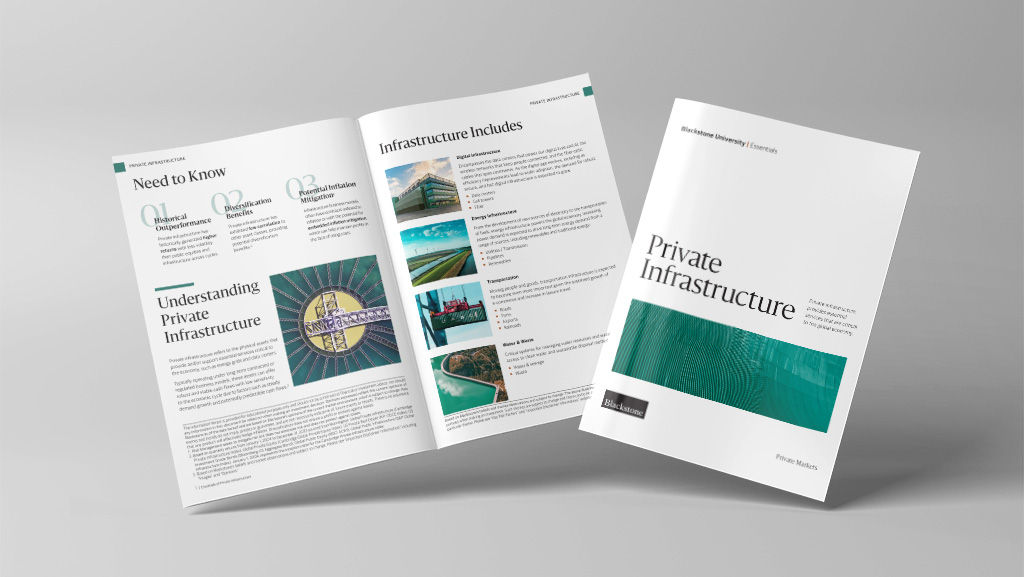
Private infrastructure provides essential services that are critical to the global economy.
Download brochure
introduction to Private INFRASTRUCTURE

Historical Outperformance
Private infrastructure has historically generated higher returns with less volatility than public equities across cycles. [ 1 ]

Diversification Benefits
Private infrastructure has exhibited low correlation to other asset classes, providing potential diversification benefits. [ 2 ]

Potential Inflation Mitigation [ 3 ]
Infrastructure business models often have contracts indexed to inflation or with the potential for embedded inflation mitigation, which can help maintain profits in the face of rising costs.
Understanding Private Infrastructure
Private infrastructure refers to the physical assets that provide and/or support essential services critical to the economy, such as energy grids and data centers.
Typically operating under long-term contracted or regulated business models, these assets can offer robust and stable cash flows with low sensitivity to the economic cycle, due to factors such as steady demand growth and potentially predictable cash flows. [ 4 ]

Infrastructure Includes [ 5 ]
Digital Infrastructure
Digital Infrastructure
Encompasses the data centers that power our digital lives and AI, the wireless networks that keep people connected, and the fiber-optic cables that span continents. As the digital age evolves, including as efficiency improvements lead to wider adoption, the demand for robust, secure, and fast digital infrastructure is expected to grow.

Energy Infrastructure
Energy Infrastructure
From the development of new sources of electricity to the transportation of fuels, energy infrastructure powers the global economy. Increasing power demand is expected to drive long-term energy demand from a range of sources, including renewables and traditional energy.
- Utilities / Transmission
- Pipelines
- Renewables

Transportation
Transportation
Moving people and goods; transportation infrastructure is expected to become even more important given the sustained growth of e-commerce and increase in leisure travel.

Water & Waste
Water & Waste
Critical systems for managing water resources and waste, ensuring access to clean water and sustainable disposal methods.

Why Private Infrastructure?
We believe infrastructure assets can be an important allocation in investor portfolios, potentially delivering robust returns, diversification benefits, inflation mitigation, and yield. [ 6 ]
Private infrastructure has historically delivered higher returns with lower volatility than public markets across cycles. [ 7 ]
Private infrastructure has historically exhibited low correlation to traditional asset classes, including investment grade bonds, private real estate, and global equities, providing potential diversification benefits to investors. [ 8 ]
Private infrastructure can also deliver inflation mitigation as infrastructure business models often have contracts indexed to inflation or with embedded inflation mitigants, which can help maintain profits in the face of rising costs. Lastly, private Infrastructure can be a steady source of income for investors due to the long-term contracts in place. [ 9 ]
Growth of $100,000 Investment [ 10 ]
(in thousands)
Accessing Megatrends
Infrastructure as an asset class is broader than bridges and tunnels – for instance it can include cutting-edge sectors of the economy, such as data centers. When investing in private infrastructure, selecting the right sectors, markets and assets can be critical to generating strong performance. It is important to focus on high-quality assets with attractive growth potential driven by long-term, secular tailwinds.
This means identifying and concentrating capital around major trends, such as the rise of leisure travel, or the growth in cloud computing and artificial intelligence.
Manager selection is also critical to success. Blackstone is the world’s largest alternative asset manager [ 11 ] with a 40-year track record.
CASE STUDY
Case Study: AirTrunk [ 12 ]
In 2024, Blackstone acquired AirTrunk, the largest data center platform in the Asia-Pacific region and Blackstone’s largest APAC investment to date. [ 13 ] This transaction exemplifies Blackstone’s ability to invest at scale behind high-conviction themes, capitalizing on long term trends in data growth. We believe Cloud computing, content creation and now artificial intelligence are driving robust demand for digital infrastructure. In fact, more data was created in the last three years (2021-2024) than all prior history combined.
Blackstone views the rise of artificial intelligence as an engine for future growth in digital infrastructure assets.

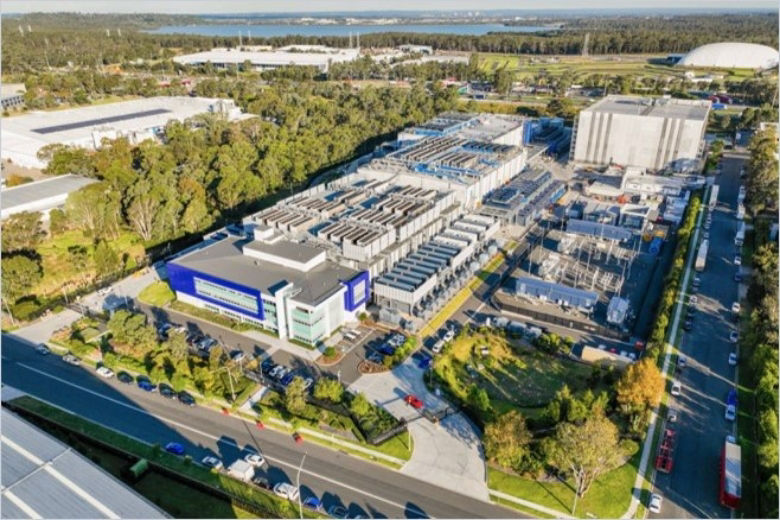
The Physical Infrastructure Behind Explosive Data Growth
AirTrunk’s data centers in Singapore and Australia show the massive physical infrastructure required to support Asia-Pacific’s data growth, with facilities spanning multiple hectares and delivering hundreds of megawatts of capacity.
Singapore

Australia
Explosive Growth in Data [ 14 ]
Created, Consumed, and Stored in Zettabytes
Private Infrastructure Allocations Are Growing
Private infrastructure has attracted over $1 trillion from investors and is projected to surpass $2 trillion by 2029. Institutional investors have increased their average private infrastructure allocations by 1.5x since 2019, with levels expected to double by 2029.
Individual investors are markedly under-allocated to private infrastructure, especially when compared to institutional investors. Eligible individual investors can now invest in private infrastructure through perpetual funds. These funds have potentially appealing attributes, [ 15 ] including:
- Immediate investment of capital from the moment of subscription, eliminating any waiting for money to be put to work
- The flexibility for investors to subscribe to or redeem out of the fund periodically, based on the fund’s net asset value (NAV), within certain restrictions
Considerations Before Allocating
Ultimately, private market investing means active ownership of less liquid assets. Liquidity needs at the total portfolio level are one important consideration before allocating to private infrastructure. In addition, manager selection may be of particular importance given that we have seen certain infrastructure managers include “infrastructure-like” investments in their portfolios. Key manager attributes include scale, staying power and a potentially differentiated ability to source strategically located, hard-asset infrastructure.
Read the complete Essentials of Private Infrastructure
Read the complete Essentials of Private Infrastructure
Frequently Asked Questions
What is private infrastructure?
What are the different types of private infrastructure?
Why invest in private infrastructure?
What are the differences between public vs private infrastructure investment?
What is driving the growth in private infrastructure?
Explore Essentials
PWS202501193