
The $39bn buyout that made Blackstone's reputation as a real estate investor
The second deal I cannot forget in Blackstone's history is our 2007 acquisition of Equity Office Properties, or EOP, then America's largest publicly held office building owner and manager.
I single it out for two reasons. First, at roughly $39 billion, it was the largest real estate buyout in history at the time, topping the previous record by a huge margin. Until then, the largest such transaction had been worth less than $10 billion.
Second, it established our reputation as a particularly astute real estate investor. In both respects, it was the quintessential Blackstone deal.
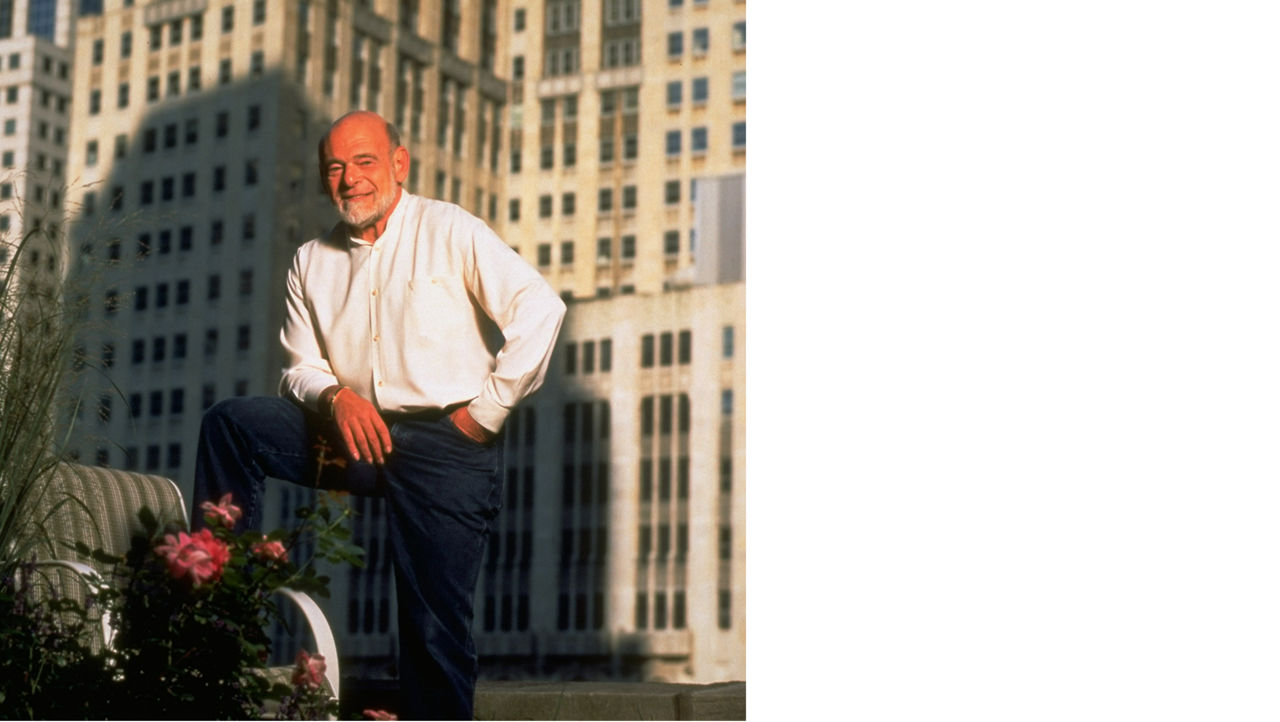
EOP was run by Sam Zell, a formidable figure in the industry. When the opportunity to buy the company came to us, I felt intensely nervous—frightened, even—because I knew we were at the peak of the business cycle. Discipline had disappeared. People were buying assets with abandon, persuaded that prices would continue to rise indefinitely. That is a classic sign of a bubble about to burst.
Since the previous year, we had been selling cyclical assets—those whose value and earnings rise and fall with the economic cycle—and replacing them with noncyclical assets whose cash flows are supported by steadier demand and are less exposed to swings in the broader economy. I imagine Sam was selling for much the same reason.
EOP's properties were attractive, but they were office buildings. And office buildings are cyclical assets: They depend on corporate expansion, tenant demand, rents, occupancy and the availability of credit. Even if asset prices rose after we bought the company, the risk of a decline would grow exponentially once conditions turned.
So we devised a way to strip out that risk: We would sell EOP assets immediately after we bought them.
At this scale, everyone said a sale would take months. But I made my case: "I don't want a few months of exposure," I told them. "Something bad could happen, and then maybe we wouldn't be able to sell anything." Then I told everyone what I really wanted: "I want half the assets sold the day we buy the company."
We pulled in people from across Blackstone and formed two teams, an acquisition team to work on buying EOP, and a disposition team to prepare the sale of its assets. We took over every conference room in the building. Even as we were negotiating the purchase agreement with EOP, we were carving its properties into regional clusters, searching for buyers across the country and negotiating sales.
Several bidders emerged for each cluster, which turned the effort into an enormous undertaking. The all-nighters ran for days. The conference rooms smelled of sweat and takeout food. The day the acquisition was completed, we had locked in contracts to sell $19 billion worth of EOP properties at a profit.
I gave everyone three days off. When they returned, I told them that we had sold at such good prices that we should sell half the remaining assets as well. "Let's go and sell another $10 billion of assets," I said. They were astonished, but we did it. Across the whole sequence of transactions, we made roughly $3 billion to $4 billion.
Soon afterward, the real estate bubble burst and the world plunged into financial crisis. We had done very well, while many of the buyers of those properties found themselves in difficulty.
We were able to pull off this classic buyout maneuver—one of the defining deals of the pre-crisis boom—because we recognized the peak of the cycle for what it was. That is not, in itself, a mysterious art. Across cycles, the warning signs tend to be the same.
To put it plainly, the dangerous moment comes when people you would never have imagined becoming rich are suddenly making fortunes. Usually they have done little more than borrow enormous sums to buy some asset whose price happens to be rising. Then they grow complacent. They begin to think, "I am a very smart fellow." They miss the timing and the gains evaporate.
In those days, too, money was sloshing around everywhere. In America, you could borrow almost without limit. Corporate discipline had gone slack. Companies issued payment-in-kind bonds that allowed them to defer cash interest payments, and investors bought them all the same.
We understood that situation for what it was. Before the vast EOP transaction, John Schreiber, the father of our real estate business, and I had developed conservative instincts and a healthy sense of danger.
There is one more deal I owe to the same awareness that we were standing at the top of the cycle: the initial public offering we undertook the same year we acquired EOP.